
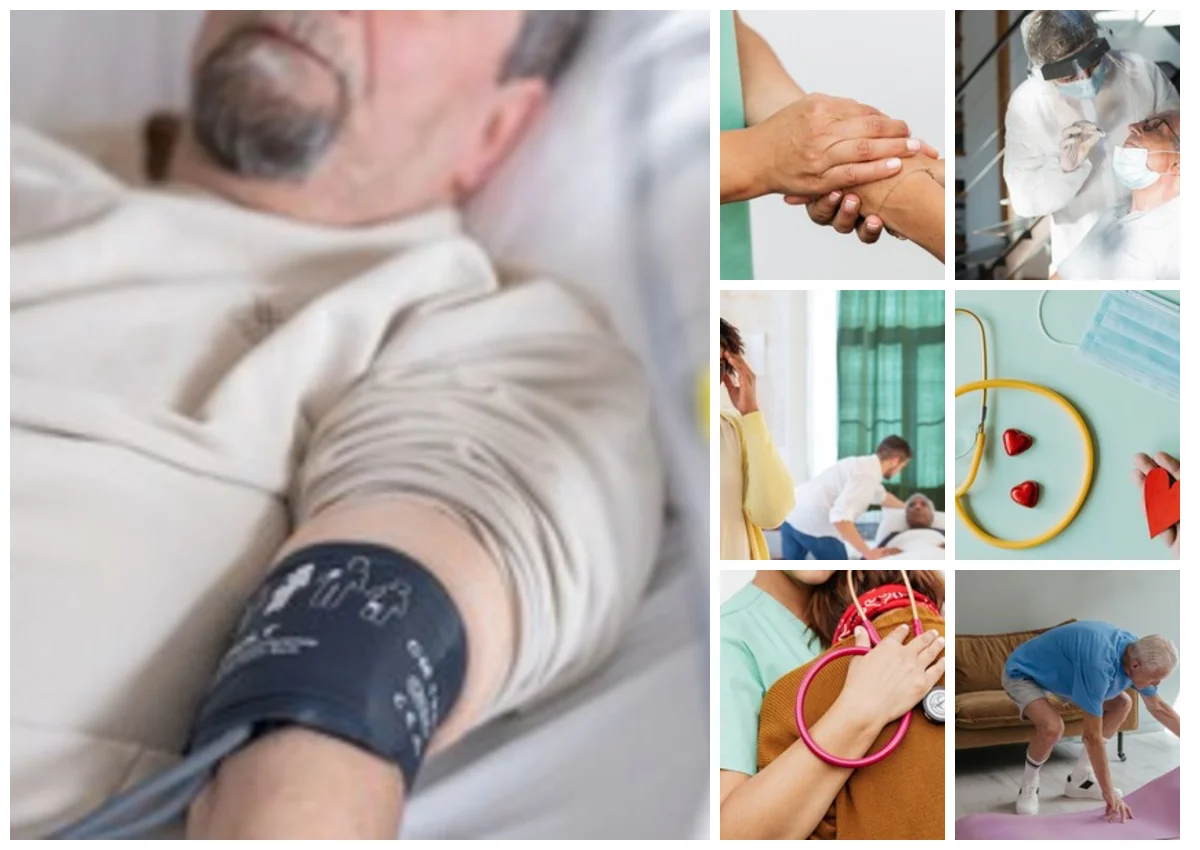
As we age, our bodies undergo changes that can increase the risk of high blood pressure. Arteries may become stiffer, kidney function can decline, and the body’s ability to regulate fluid and sodium balance may weaken. These factors contribute to a higher prevalence of hypertension in seniors, which, if left unmanaged, can lead to serious complications such as heart disease, stroke, or kidney damage. While prescribed medications are often essential for controlling blood pressure, lifestyle changes can play a powerful supporting role. This guide focuses on safe, natural methods tailored for seniors and their caregivers, emphasizing gradual adjustments, regular monitoring, and collaboration with healthcare providers.
Why Natural Methods Matter for Seniors with High Blood Pressure
Natural methods like diet, exercise, and stress management can help lower blood pressure by addressing its root causes: poor circulation, inflammation, and hormonal imbalances. For seniors, these changes are particularly beneficial because they are low-risk, sustainable, and can improve overall health beyond just blood pressure. For example, a heart-healthy diet rich in fruits and vegetables supports vascular health, while regular physical activity strengthens the heart and improves circulation. However, it’s important to recognize the limitations of natural methods. They are not a cure for hypertension and should not replace prescribed medications without medical guidance. Instead, they work best as part of a comprehensive treatment plan that includes regular check-ups and blood pressure monitoring.
Gradual changes are key for seniors. Sudden shifts in diet or exercise can lead to dizziness, fatigue, or other complications, especially if you have other health conditions. Working closely with your healthcare team ensures that your natural methods are safe and effective for your unique needs. Your doctor can help you set realistic goals, monitor your progress, and adjust your plan as needed.
Dietary Changes: The DASH Diet and Beyond
The DASH diet (Dietary Approaches to Stop Hypertension) is one of the most well-researched eating plans for lowering blood pressure. It emphasizes foods rich in potassium, magnesium, and fiber while limiting sodium, processed foods, and saturated fats. For seniors, the DASH diet can be easily adapted to accommodate dietary restrictions, cultural preferences, or chewing difficulties by focusing on softer foods like cooked vegetables, oatmeal, or yogurt.
Foods to eat:
- Fruits and vegetables: Aim for 4-5 servings of each daily. Choose leafy greens, berries, bananas, and citrus fruits, which are high in potassium and magnesium.
- Whole grains: Opt for brown rice, quinoa, whole-wheat bread, or oatmeal to increase fiber intake.
- Low-fat dairy: Include 2-3 servings of low-fat milk, yogurt, or cheese for calcium and vitamin D.
- Lean proteins: Choose skinless poultry, fish, beans, or tofu instead of red meat.
- Healthy fats: Incorporate nuts, seeds, avocados, and olive oil in moderation.
Foods to limit or avoid:
- Sodium: Aim for less than 1,500 mg of sodium per day. This means avoiding processed foods like canned soups, deli meats, and frozen meals. Instead, season meals with herbs, spices, or lemon juice.
- Processed foods: These often contain hidden sodium and unhealthy fats. Stick to whole, unprocessed foods whenever possible.
- Red meat and full-fat dairy: These can contribute to inflammation and higher blood pressure. Choose lean proteins and low-fat dairy alternatives.
- Excessive alcohol: Limit alcohol to no more than 1 drink per day for women and 2 drinks per day for men. Alcohol can raise blood pressure and interfere with medications.
Sample meal plan for a day:
Breakfast: Oatmeal with sliced banana, a handful of walnuts, and a sprinkle of cinnamon. Serve with a glass of low-fat milk.
Lunch: Grilled chicken salad with mixed greens, cherry tomatoes, cucumber, and a vinaigrette dressing. Add a side of quinoa or brown rice.
Snack: Carrot sticks with hummus or a small apple with a tablespoon of almond butter.
Dinner: Baked salmon with steamed broccoli and a small baked sweet potato. Season with garlic and herbs instead of salt.
Dessert (optional): A small bowl of mixed berries with a dollop of low-fat yogurt.
For seniors with dietary restrictions or cultural preferences, the DASH diet can be modified without sacrificing its benefits. For example, if you avoid dairy, choose fortified plant-based milks or leafy greens for calcium. If you have difficulty chewing, opt for softer foods like mashed sweet potatoes, cooked lentils, or smoothies made with fruits and vegetables.
Reducing sodium intake gradually can help your taste buds adjust. Start by cutting back on added salt during cooking and at the table, then slowly reduce sodium in processed foods. Over time, you may find that you prefer the natural flavors of food without excess salt.
Exercise for Seniors: Safe and Effective Activities
Regular physical activity is one of the most effective ways to lower blood pressure naturally. Exercise strengthens the heart, improves circulation, and helps maintain a healthy weight—all of which contribute to better blood pressure control. For seniors, the key is to choose activities that are safe, enjoyable, and sustainable. Always consult your doctor before starting a new exercise routine, especially if you have other health conditions or haven’t been active recently.
Benefits of exercise for seniors with hypertension:
- Lowers systolic blood pressure by 4-10 mmHg in people with hypertension.
- Improves heart health and reduces the risk of heart disease and stroke.
- Enhances mood and reduces stress, which can indirectly lower blood pressure.
- Helps maintain mobility, strength, and independence.
Recommended activities:
- Brisk walking: One of the safest and most accessible forms of exercise. Aim for 30 minutes most days of the week. Use a pedometer or fitness tracker to monitor your steps and gradually increase your distance.
- Swimming or water aerobics: These low-impact activities are gentle on the joints while providing a full-body workout. The water’s buoyancy also reduces the risk of falls.
- Yoga: Gentle yoga poses can improve flexibility, balance, and relaxation. Look for senior-friendly or chair yoga classes if mobility is limited.
- Tai chi: This slow, flowing movement practice is ideal for seniors. It promotes relaxation, improves balance, and may help lower blood pressure.
- Strength training: Light resistance exercises using bands, weights, or bodyweight can help maintain muscle mass and support metabolism. Aim for 2 days per week, focusing on major muscle groups.
How to start safely:
- Consult your doctor: Discuss your exercise plan, especially if you have heart disease, arthritis, or other conditions. Your doctor may recommend a stress test or other evaluations before you begin.
- Start slow: Begin with 10-15 minutes of activity per day and gradually increase to 30 minutes. Listen to your body and avoid pushing through pain or fatigue.
- Warm up and cool down: Spend 5 minutes stretching or walking slowly before and after exercise to prevent injury.
- Stay hydrated: Drink water before, during, and after exercise, especially if you’re taking diuretics or other medications that affect fluid balance.
- Monitor your heart rate: Use the talk test to gauge intensity. You should be able to carry on a conversation while exercising. If you’re gasping for breath, slow down.
Exercise intensity guidelines for seniors with hypertension:
- Moderate intensity: Activities like brisk walking, cycling, or swimming. You should be able to talk but not sing during exercise.
- Vigorous intensity: Activities like jogging or fast cycling. These are generally not recommended for seniors with uncontrolled hypertension unless approved by a doctor.
Tips for staying motivated:
- Choose activities you enjoy, such as dancing, gardening, or swimming with friends.
- Set realistic goals, like walking 10 minutes a day, and celebrate small wins.
- Join a class or find a workout buddy to stay accountable and make exercise social.
- Track your progress with a journal or fitness app. Seeing improvements can keep you motivated.
- Be patient. It may take weeks or months to see changes in your blood pressure, but consistency is key.
Weight Management: A Key Factor in Blood Pressure Control
Excess weight, especially around the abdomen, increases the strain on your heart and blood vessels, raising blood pressure. Losing even a small amount of weight—just 5-10% of your body weight—can significantly improve blood pressure and reduce the risk of complications. For seniors, weight management should focus on gradual, sustainable changes rather than rapid weight loss, which can lead to muscle loss or other health issues.
How excess weight contributes to hypertension:
- Increases the volume of blood, requiring the heart to work harder.
- Promotes inflammation and insulin resistance, which can damage blood vessels.
- Contributes to sleep apnea, a condition that raises blood pressure at night.
Setting realistic weight loss goals:
Aim to lose 1-2 pounds per week, which is a safe and sustainable rate for most seniors. Focus on losing fat while preserving muscle mass by combining diet and exercise. Your doctor or a registered dietitian can help you set a personalized goal based on your current weight, health status, and dietary needs.
Safe weight loss strategies for seniors:
- Diet: Adopt the DASH diet or a similar heart-healthy eating plan. Reduce portion sizes and avoid empty calories from sugary drinks or snacks. Cook meals at home when possible to control ingredients and sodium.
- Exercise: Combine aerobic activity (like walking) with strength training to build muscle and boost metabolism. Aim for 150 minutes of moderate activity per week, spread over several days.
- Gradual changes: Small adjustments, like swapping a high-calorie snack for fruit or taking a short walk after meals, can add up over time. Avoid drastic diets or extreme exercise routines, which can be harmful for seniors.
- Monitor progress: Weigh yourself once a week at the same time of day. Keep a food and activity journal to track habits and identify areas for improvement. Celebrate non-scale victories, like improved energy or better sleep.
- Seek professional help if needed: If you’re struggling to lose weight or maintain a healthy diet, ask your doctor for a referral to a registered dietitian. They can provide personalized guidance and support.
Remember, weight loss is just one piece of the puzzle. Even if you don’t reach your ideal weight, improving your diet and activity level can still lower your blood pressure and enhance your overall health.
Stress Reduction: Calming the Mind to Lower Blood Pressure
Chronic stress is a silent contributor to high blood pressure. When you’re stressed, your body releases hormones like cortisol and adrenaline, which temporarily raise blood pressure by constricting blood vessels and increasing heart rate. Over time, this can damage blood vessels and contribute to long-term hypertension. For seniors, stress can come from many sources, including health concerns, financial worries, or social isolation. Learning to manage stress through relaxation techniques and gentle movement can have a profound impact on blood pressure and overall well-being.
The link between stress and high blood pressure:
- Stress activates the sympathetic nervous system, which triggers the “fight or flight” response. This increases heart rate and blood pressure.
- Chronic stress can lead to unhealthy coping mechanisms, such as overeating, smoking, or excessive alcohol use, which further raise blood pressure.
- Stress can disrupt sleep, another factor that contributes to hypertension.
Relaxation techniques to try:
- Meditation: Sit quietly for 5-10 minutes, focusing on your breath or a calming word or phrase. Apps like Headspace or Calm offer guided meditations tailored for seniors. Even short sessions can reduce stress and lower blood pressure over time.
- Deep breathing exercises: Try the 4-7-8 technique: Inhale for 4 seconds, hold your breath for 7 seconds, and exhale for 8 seconds. Repeat 3-4 times. This activates the parasympathetic nervous system, which promotes relaxation.
- Progressive muscle relaxation: Tense and then slowly release each muscle group, starting with your toes and working up to your head. This technique helps reduce physical tension and stress.
- Gentle movement practices: Yoga and tai chi combine movement with breath control, promoting relaxation and improving circulation. Look for senior-friendly classes or videos online.
Tips for better sleep:
Poor sleep can raise blood pressure and make stress harder to manage. Aim for 7-9 hours of quality sleep per night by practicing good sleep hygiene:
- Go to bed and wake up at the same time every day, even on weekends.
- Avoid caffeine and alcohol in the evening, as they can disrupt sleep.
- Keep your bedroom cool, dark, and quiet. Use blackout curtains or a white noise machine if needed.
- Avoid screens (TV, phone, tablet) for at least an hour before bed, as the blue light can interfere with melatonin production.
- Try a relaxing bedtime routine, such as reading, listening to soft music, or taking a warm bath.
How caregivers can help:
Caregivers play a vital role in supporting seniors with hypertension. You can help by:
- Encouraging relaxation techniques, such as joining your loved one for a short meditation or gentle yoga session.
- Preparing heart-healthy meals and snacks, and limiting processed foods high in sodium.
- Encouraging regular physical activity, such as walking together or attending a senior exercise class.
- Providing emotional support and helping to reduce sources of stress, such as financial worries or social isolation.
- Monitoring blood pressure and keeping track of symptoms or concerns to share with the healthcare provider.
Natural Remedies and Supplements: What Works and What to Avoid
While natural remedies and supplements are often marketed as safe alternatives to medication, their effectiveness and safety for seniors vary widely. Some may offer mild benefits, while others can interact with medications or worsen health conditions. **Always consult your doctor before trying any new remedy, especially if you’re taking prescription drugs or have kidney or liver issues.**
Supplements with potential benefits:
These supplements may help lower blood pressure slightly, but evidence is limited, and results vary by individual. They should not replace prescribed medications.
| Supplement | Potential Benefits | Evidence Level | Safety Considerations |
|---|---|---|---|
| Garlic | May reduce systolic blood pressure by 7-10 mmHg over 8 weeks. Contains allicin, which may relax blood vessels. | Low to moderate | Generally safe in food amounts. High doses may interact with blood thinners like warfarin. |
| Hibiscus tea | May lower systolic blood pressure by 7-10 mmHg. Contains antioxidants that may improve blood vessel function. | Low to moderate | Safe in moderate amounts. May interact with hydrochlorothiazide (a diuretic). |
| Beetroot juice | Rich in nitrates, which the body converts to nitric oxide—a compound that relaxes blood vessels. May lower blood pressure by 4-10 mmHg within hours. | Moderate | Safe in food amounts. May cause red urine or stools. Avoid if you have kidney stones. |
| Omega-3 fatty acids (fish oil) | May reduce blood pressure by 1-4 mmHg. Also supports heart health by reducing triglycerides. | Moderate | Generally safe. High doses may increase bleeding risk or interact with blood pressure medications. |
Supplements to avoid or use with caution:
- Licorice root: Can raise blood pressure and cause potassium loss. Avoid unless approved by your doctor.
- St. John’s Wort: May interact with many medications, including blood pressure drugs, antidepressants, and blood thinners.
- High-dose vitamin E or beta-carotene: These supplements have not been shown to lower blood pressure and may increase health risks.
- Ephedra (ma huang): Banned in many countries due to serious side effects, including high blood pressure and heart problems.
Risks of combining supplements or mixing with medications:
Supplements can interact with medications in several ways:
- They may increase or decrease the effectiveness of your medication. For example, calcium supplements can interfere with the absorption of some blood pressure drugs.
- They can amplify side effects. For instance, combining potassium supplements with ACE inhibitors or potassium-sparing diuretics can lead to dangerously high potassium levels.
- They may affect how your body processes medications. For example, St. John’s Wort can speed up the metabolism of many drugs, reducing their effectiveness.
Always tell your doctor about any supplements you’re taking, including over-the-counter vitamins, herbs, or traditional remedies. They can help you weigh the risks and benefits and adjust your plan as needed.
Alcohol, Caffeine, and Other Lifestyle Factors
Certain lifestyle habits can have a significant impact on blood pressure, either positively or negatively. For seniors, small changes in these areas can make a big difference in managing hypertension. The key is moderation and awareness of how these factors affect your body.
Alcohol:
While some research suggests that moderate alcohol consumption may have heart benefits, excessive drinking can raise blood pressure and interfere with medications. The American Heart Association recommends:
- No more than 1 drink per day for women.
- No more than 2 drinks per day for men.
A standard drink is defined as:
- 12 ounces of beer (5% alcohol).
- 5 ounces of wine (12% alcohol).
- 1.5 ounces of distilled spirits (40% alcohol).
If you don’t drink, there’s no need to start for heart health. If you do drink, keep it within these limits and avoid binge drinking, which can cause a sudden spike in blood pressure.
Caffeine:
Caffeine can cause a temporary rise in blood pressure, especially in people who don’t consume it regularly. However, the long-term effects of caffeine on blood pressure are less clear. The FDA suggests that up to 400 mg of caffeine per day (about 4 cups of coffee) is safe for most healthy adults. For seniors, it’s best to limit caffeine to 200-300 mg per day and avoid it in the late afternoon or evening to prevent sleep disruption. If you’re sensitive to caffeine, consider switching to decaf or herbal teas like chamomile or peppermint.
Smoking cessation:
Smoking damages blood vessels and accelerates the hardening of arteries, which can raise blood pressure and increase the risk of heart disease and stroke. Quitting smoking is one of the best things you can do for your heart health. Talk to your doctor about resources to help you quit, such as nicotine replacement therapy, prescription medications, or support groups.
The role of hydration:
Dehydration can cause blood pressure to drop too low, leading to dizziness or fainting, especially in seniors. On the other hand, excessive fluid intake can increase blood volume and raise blood pressure. Aim to drink enough water to stay hydrated without overdoing it. A good rule of thumb is to drink when you’re thirsty and monitor your urine color—it should be pale yellow. If you have heart or kidney disease, your doctor may recommend limiting fluids. Always follow their advice.
Monitoring Blood Pressure at Home: A Senior’s Guide
Home blood pressure monitoring is a valuable tool for managing hypertension. It allows you to track your progress, identify trends, and share accurate data with your doctor. For seniors, home monitoring can also help detect fluctuations that might not be caught during occasional clinic visits. However, it’s important to use the right technique and equipment to ensure accurate readings.
Why home monitoring is important:
- Helps you and your doctor assess how well your treatment plan is working.
- Can detect white-coat hypertension (high blood pressure only in medical settings) or masked hypertension (normal blood pressure in the clinic but high at home).
- Encourages consistency in managing your health.
- Provides peace of mind by giving you control over your blood pressure.
How to choose a blood pressure monitor:
Automatic (digital) monitors are the easiest to use and are recommended for most seniors. Look for a monitor that:
- Has a cuff that fits your upper arm (wrist monitors are less accurate).
- Is validated by the Association for the Advancement of Medical Instrumentation (AAMI) or the British Hypertension Society (BHS).
- Displays readings clearly and stores data for tracking.
- Comes with a user-friendly instruction manual.
Popular brands like Omron, Welch Allyn, and Microlife offer reliable options. Avoid cuffs that are too tight or too loose, as they can give inaccurate readings. If you’re unsure which monitor to choose, ask your doctor or pharmacist for recommendations.
Step-by-step guide to taking accurate readings:
- Prepare: Avoid eating, smoking, drinking caffeine, or exercising for 30 minutes before taking your blood pressure. Empty your bladder and sit quietly for 5 minutes before starting.
- Position yourself: Sit in a chair with your back supported, feet flat on the floor, and arm resting on a table at heart level. Keep your legs uncrossed and your back straight.
- Apply the cuff: Place the cuff on your bare upper arm, about 1 inch above the elbow. The cuff should be snug but not tight. Follow the manufacturer’s instructions for proper placement.
- Take the reading: Turn on the monitor and press the start button. Keep still and quiet while the cuff inflates and deflates. Record the systolic (top number) and diastolic (bottom number) readings.
- Repeat: Wait 1-2 minutes and take a second reading to ensure accuracy. Average the two readings for your final result.
How often to monitor:
For most seniors with hypertension, monitoring 2-3 times per week is sufficient. However, your doctor may recommend more frequent readings if you’re adjusting medications or have uncontrolled blood pressure. Aim to take readings at the same time each day, such as in the morning and evening. Keep a log of your readings, including the date, time, and any symptoms you experience (e.g., dizziness, headache). Bring this log to your doctor appointments to discuss trends and adjustments to your plan.
Keeping a log:
Your log should include:
- Date and time of each reading.
- Systolic and diastolic numbers.
- Any symptoms you experienced before or after the reading (e.g., fatigue, shortness of breath).
- Medications taken that day (if applicable).
- Notes on your diet, activity level, or stress levels.
You can use a notebook, a spreadsheet, or a blood pressure tracking app like Withings or Qardio. Some apps sync with your monitor and generate reports for your doctor.
Common mistakes to avoid:
- Talking or moving: Stay still and quiet during the reading. Talking or moving can raise your blood pressure temporarily.
- Cuff placement: Ensure the cuff is on your bare arm and at heart level. A cuff that’s too loose or too tight can give inaccurate readings.
- Timing: Avoid taking readings right after waking up, eating, or exercising. Wait at least 30 minutes to get an accurate baseline.
- Ignoring symptoms: If you experience severe headaches, chest pain, confusion, or vision changes, take your blood pressure immediately. If it’s very high (180/120 mmHg or higher), seek emergency care.
When to See a Doctor: Recognizing Warning Signs
While lifestyle changes can help manage blood pressure, there are times when medical intervention is necessary. Seniors should be aware of the warning signs that indicate their blood pressure is not well-controlled or that they need immediate medical attention. Regular communication with your healthcare provider ensures that your treatment plan is effective and safe.
Symptoms that require immediate medical attention:
If you experience any of the following, seek emergency care right away:
- Blood pressure ≥180/120 mmHg: This is considered a hypertensive crisis and can lead to organ damage or stroke.
- Chest pain or severe headache: These could indicate a heart attack or stroke.
- Confusion or difficulty speaking: These may be signs of a stroke or other neurological issue.
- Seizures or loss of consciousness: These require urgent medical evaluation.
- Severe shortness of breath: This could indicate heart failure or a pulmonary issue.
- Numbness or weakness on one side of the body: This may signal a stroke.
Signs that blood pressure is not well-controlled despite lifestyle changes:
- Your home blood pressure readings are consistently above 140/90 mmHg.
- You experience new or worsening symptoms, such as fatigue, dizziness, or blurred vision.
- You develop side effects from medications, such as dizziness, cough, or swelling in the legs.
- You have difficulty managing your diet, exercise, or stress levels.
When to adjust medications or try new treatments:
If your blood pressure remains high despite lifestyle changes, your doctor may recommend adjusting your medications or trying new treatments. This could include:
- Increasing the dose of your current medication.
- Switching to a different class of medication (e.g., from a diuretic to an ACE inhibitor).
- Adding a second medication to your regimen.
- Exploring alternative treatments, such as acupuncture or biofeedback, if approved by your doctor.
How to communicate effectively with your healthcare provider:
To get the most out of your appointments, come prepared with the following:
- A list of your current medications, including dosages and any side effects you’ve experienced.
- A log of your home blood pressure readings, including dates, times, and any symptoms.
- Questions or concerns about your treatment plan, such as difficulties with diet, exercise, or stress management.
- A list of any new symptoms or changes in your health since your last visit.
Don’t hesitate to ask questions or request clarification if something isn’t clear. Your doctor is there to help you manage your health effectively. If you feel your concerns aren’t being addressed, consider seeking a second opinion or asking for a referral to a specialist, such as a cardiologist or nephrologist.
Common Myths About Natural Blood Pressure Remedies
Misinformation about natural remedies for high blood pressure is widespread, especially for seniors. These myths can lead to ineffective or even harmful practices. Let’s debunk some of the most common misconceptions and provide clarity based on evidence and medical consensus.
| Myth | Reality |
|---|---|
| Natural remedies can cure hypertension. | Natural methods can help manage blood pressure, but they are not a cure. Hypertension is a chronic condition that often requires lifelong management, including medication for many seniors. |
| Seniors should avoid all salt. | Seniors should reduce sodium intake to less than 1,500 mg per day, but avoiding salt entirely can lead to electrolyte imbalances and other health issues. Use herbs, spices, or lemon juice to flavor food instead. |
| Exercise is unsafe for seniors with hypertension. | Moderate exercise is safe and beneficial for most seniors with hypertension. Always consult your doctor before starting a new routine, and choose activities that match your fitness level. |
| Herbal supplements are always safe. | Herbal supplements can interact with medications or have side effects. For example, licorice root can raise blood pressure, and St. John’s Wort may interfere with many prescription drugs. Always consult your doctor before trying a new supplement. |
| High blood pressure is normal in old age. | While blood pressure tends to rise with age due to arterial stiffness, it is not normal and should be actively managed to prevent complications like heart disease, stroke, or kidney damage. |
| Stopping medication in favor of natural remedies is safe. | Discontinuing prescribed medications without medical guidance can lead to uncontrolled hypertension, increasing the risk of heart attack, stroke, or organ damage. Always work with your doctor to adjust your treatment plan. |
By understanding the facts behind these myths, seniors and caregivers can make informed decisions about managing hypertension safely and effectively.
Creating a Personalized Plan: Putting It All Together
Developing a personalized plan for managing blood pressure involves setting realistic goals, tracking progress, and making adjustments as needed. This plan should be a collaboration between you, your doctor, and any caregivers or family members involved in your care. The goal is to create a sustainable routine that fits your lifestyle and health needs.
Step-by-step guide to creating a plan:
- Set goals: Start by identifying 1-2 specific, measurable goals. For example:
- “I will walk for 15 minutes, 5 days a week.”
- “I will reduce my sodium intake to 1,500 mg per day.”
- “I will practice deep breathing exercises for 5 minutes each morning.”
- Choose strategies: Select 2-3 lifestyle changes to focus on first. For example:
- Adopt the DASH diet.
- Start a gentle yoga routine 3 times a week.
- Monitor blood pressure at home twice a week.
- Create a timeline: Break your goals into smaller steps with a realistic timeline. For example:
- Week 1-2: Research the DASH diet and plan meals for the week.
- Week 3-4: Start with 10-minute walks and gradually increase to 15 minutes.
- Week 5-6: Begin home blood pressure monitoring and keep a log.
- Track progress: Use a journal, app, or spreadsheet to record your activities, blood pressure readings, and any challenges you face. Review your progress weekly to identify what’s working and what needs adjustment.
- Adjust as needed: If a strategy isn’t working, don’t be afraid to change it. For example, if walking outdoors is difficult due to weather or mobility issues, try indoor activities like chair exercises or swimming. Share your progress and challenges with your doctor to get personalized advice.
- Celebrate small wins: Acknowledge your progress, no matter how small. For example, if you only walked for 10 minutes one day, that’s still a success. Reward yourself with non-food treats, like a relaxing bath or a favorite book.
How to involve caregivers and family members:
Caregivers and family members can play a supportive role in your plan by:
- Helping with meal planning and grocery shopping to ensure heart-healthy foods are available.
- Joining you for walks, yoga sessions, or other activities to keep you motivated.
- Assisting with home blood pressure monitoring and keeping track of readings.
- Providing emotional support and encouragement, especially on days when you feel discouraged.
- Helping you stay accountable by checking in regularly or attending doctor appointments with you.
Setting realistic expectations:
It’s important to remember that managing blood pressure is a gradual process. You may not see immediate changes, and that’s okay. Focus on consistency rather than perfection. Small, sustainable changes are more likely to lead to long-term success than drastic overhauls. If you experience setbacks, don’t give up. Reach out to your healthcare team for guidance and support.
Conclusion: Taking Control of Your Blood Pressure Naturally
Managing high blood pressure as a senior doesn’t have to mean relying solely on medication. By making gradual, sustainable lifestyle changes, you can support your heart health and improve your overall well-being. The key strategies—such as adopting the DASH diet, staying active, managing stress, and monitoring your blood pressure at home—are safe, effective, and tailored for seniors. However, it’s crucial to remember that these methods are not a replacement for medical advice. **Always work closely with your healthcare provider to ensure your plan is safe and effective for your unique needs.**
Start small, stay consistent, and celebrate your progress along the way. Whether it’s taking a daily walk, cooking a heart-healthy meal, or practicing relaxation techniques, every positive change brings you one step closer to better blood pressure control. With patience and persistence, you can take control of your health and enjoy a higher quality of life in your senior years.


Leave a Reply